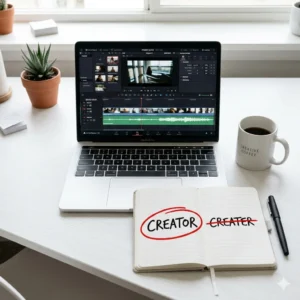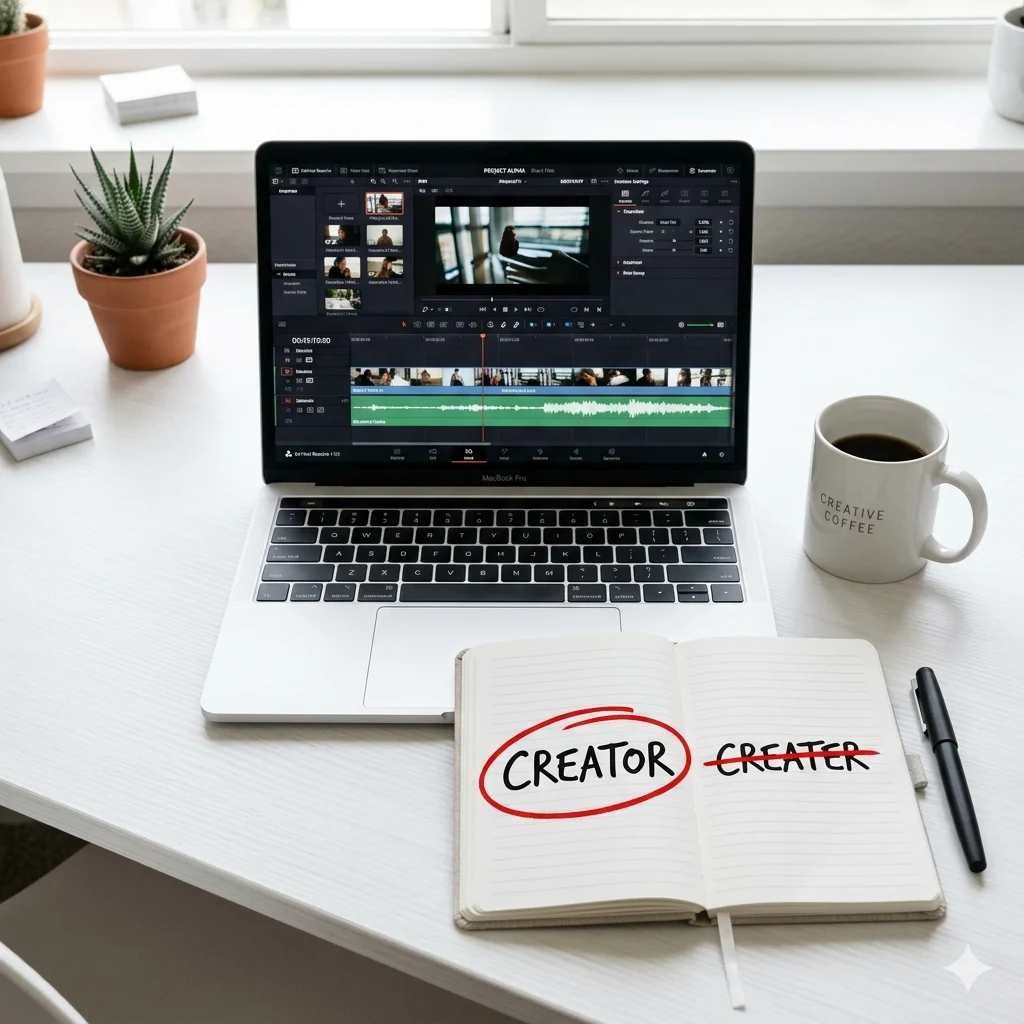
“‘Creator’ is the correct spelling for someone who makes or produces something; ‘creater’ is incorrect and should never be used.”
Stop writing “creater”! Here’s how every smart writer uses “creator” correctly. The correct spelling is “creator”, which refers to someone who makes, invents, or produces something — like an artist, writer, content creator, or inventor. The word “creater” is incorrect and should never be used.
Let’s see how “creator” is used in real sentences:
- “She is a talented content creator.”
- “The artist is a creative creator of sculptures.”
- “Every successful YouTuber is a content creator at heart.”
Understanding this distinction ensures your writing is professional, accurate, and polished. In this guide, you’ll learn why “creator” is correct, common mistakes to avoid, and examples for proper usage.
Knowing the difference between creator vs creater helps you write confidently, avoid embarrassing errors, and sound like a pro.
Creator or Creater meanings
The correct spelling is creator. The word “creater” is a common misspelling and is not recognized as a standard English word. If you use “creater” in formal writing or a resume, it will be marked as a mistake.
For example:
- Correct: She is a successful content creator.
- Incorrect: He works as a video creater.
The word “creator” ends with “-or,” which is typical for nouns describing a person who performs an action.
The Origin of Creator
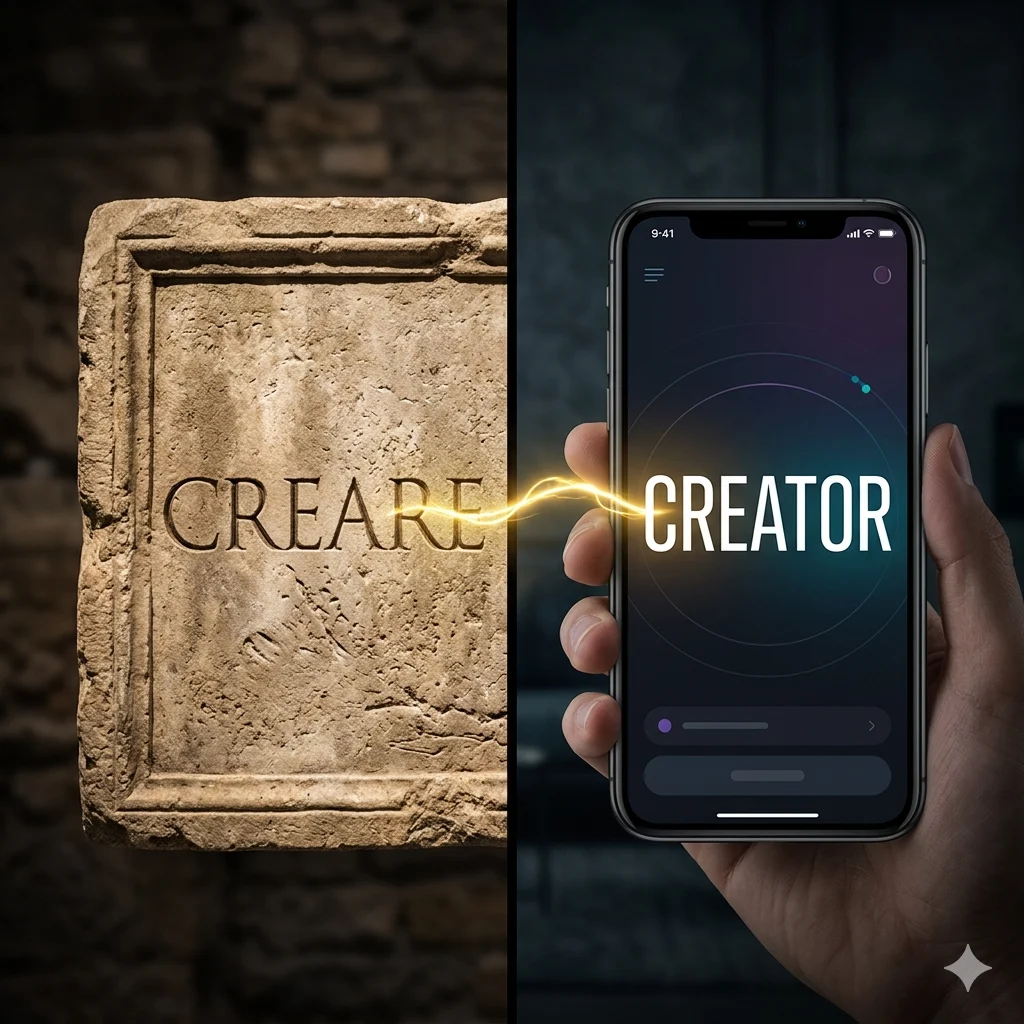
To understand why the spelling is fixed, we look at the history. The word comes from Latin. The root is the verb creare, which means “to make” or “to produce.” In Latin, the suffix -tor was added to verbs to show a “doer” of an action. So, creare + -tor became creator.
When the word entered Old French and then Middle English, the spelling shifted slightly but kept the “-or” ending. The reason people confuse it with “creater” is due to the verb “create.” When you add “-er” to a verb in English (like teach to teacher), it usually changes the spelling. However, for words with Latin origins, we often keep the “-or” suffix. This is why we say actor, doctor, and creator, not acter, docter, or creater.
British English vs American English Spelling
Here is a fact that surprises many people: creator is spelled the same in both British and American English. Usually, we see differences like color (US) vs colour (UK). However, “creator” does not have a variation. Both dialects agree on the “-or” ending.
The confusion between creator or creater is not a dialect difference; it is a spelling error. The suffix “-er” is used for native English words (like baker, farmer), while “-or” is often used for Latin-derived words (like creator, investigator).
Here is a comparison table to show the difference:
| Role/Word | Verb Form | Correct Suffix | Common Mistake |
|---|---|---|---|
| Creator | Create | -or (Latin origin) | Creater |
| Actor | Act | -or | Acter |
| Investor | Invest | -or | Invest er |
| Teacher | Teach | -er (English origin) | Teacher (correct) |
| Writer | Write | -er | Writer (correct) |
Which Spelling Should You Use?
Your choice depends on your audience. Since “creater” is not a real word, you should always use creator.
- For US Audiences: Use creator. American English relies heavily on the Latin suffix for professional titles.
- For UK/Commonwealth: Use creator. British English does not accept “creater” as a valid alternative.
- For Global/Business: Use creator. If you are writing a bio for Instagram, LinkedIn, or a resume, using the correct spelling builds trust.
If you are asking is it content creator or creater?, the answer is content creator. This is the standard term used by YouTube, TikTok, and all major platforms. Using the wrong spelling makes your profile look unprofessional.
Common Mistakes with Creator
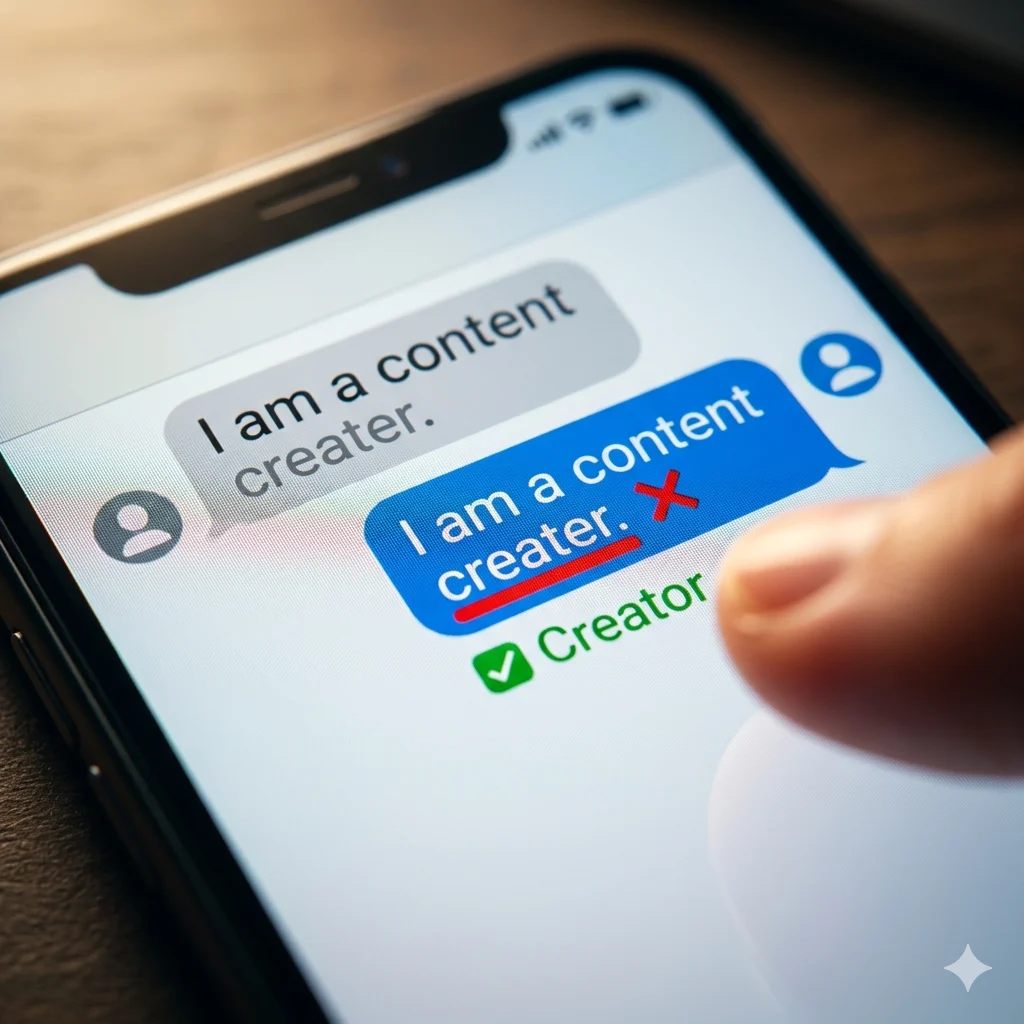
The most frequent error is swapping “-or” for “-er.” This happens because our brain connects the word to “create.” We think: create + er = creater. However, English does not work that way consistently.
Error 1: The “Er” Trap
- Wrong: I am a digital creater.
- Right: I am a digital creator.
Error 2: Confusing Creator with Creature
Sometimes, autocorrect changes the word. If you type “creater,” it might correct to “creature,” which means a monster or animal.
- Wrong: The creature of this app is famous.
- Right: The creator of this app is famous.
Error 3: Missing the Context
People often ask, what exactly is a creator? If you spell it wrong, it changes the search intent. To avoid SEO issues and confusion, always double-check the spelling.
Creator in Everyday Examples
Understanding how to use the word in context helps lock in the spelling. Here is how creator appears in different settings:
Emails:
“Hi Sarah, as the creator of the marketing campaign, I wanted to get your feedback.”
News Headlines:
“Local creator wins award for short film.”
“The creator of the popular game announces a sequel.”
Social Media (Bio):
“📍 NYC | Content Creator | Sharing tips on video editing.”
Formal Writing:
“The creator of the theory faced significant criticism before it was accepted.”
In all these cases, spelling it as “creater” would break the reader’s trust. Consistency matters.
Creator – Google Trends & Usage Data
When we look at search data, the keyword creator dominates globally. The misspelling “creater” has very low search volume, which tells us that most people know something is wrong and are searching for the correct version.
The term content creator has exploded in usage over the last five years. It is used widely in the US, UK, Canada, and Australia. In countries where English is a second language, the misspelling “creater” appears more often, usually due to phonetic spelling (sounding it out). However, major platforms like Creator Studio (used by Facebook and YouTube) reinforce the correct spelling. If you search for creator meaning, search engines return results about artists and inventors. If you search for “creater meaning,” search engines often ask, “Did you mean creator?”
Comparison Table: Keyword Variations
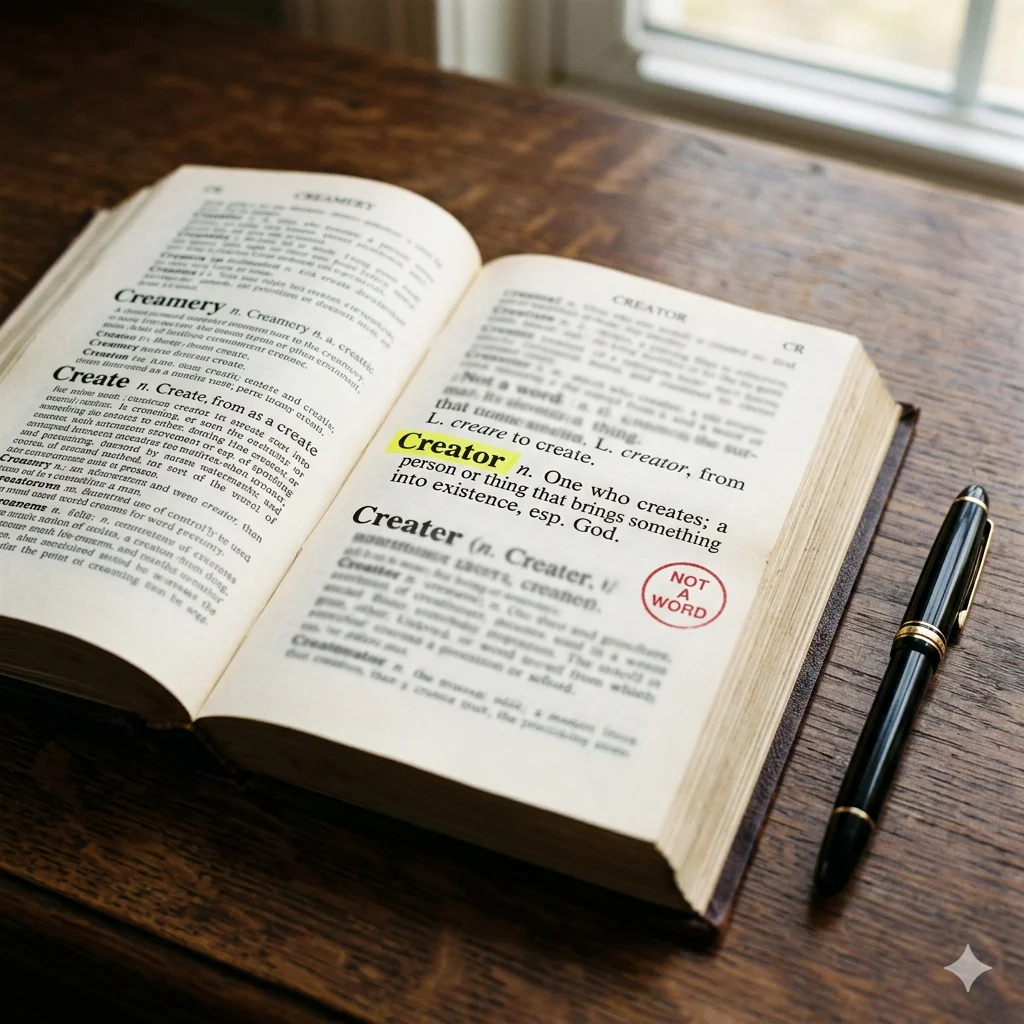
Here is a side-by-side look at how the keyword performs and appears in different contexts.
| Variation | Correctness | Usage Context |
|---|---|---|
| Creator | ✅ Correct | Standard English. Used for art, tech, content. |
| Creater | ❌ Incorrect | Common typo. Not found in dictionaries. |
| Content Creator | ✅ Correct | Industry standard for influencers and makers. |
| Creator Studio | ✅ Correct | Meta’s tool for managing pages and content. |
| Creator vs Creature | ✅ Correct | A common comparison for spelling checks. |
| Creator in Hindi | ✅ Correct | Translation search (निर्माता). |
FAQs
1. Is it content creator or creater?
It is content creator. “Creater” is a spelling mistake. Always use “-or” at the end when referring to someone who makes content.
2. How do you spell creator?
You spell it C-R-E-A-T-O-R. The emphasis is on the second syllable: “cre-A-tor.” Remember that it ends with “-or,” not “-er.”
3. What exactly is a creator?
A creator is anyone who produces original work. This can be a video maker, a writer, a software developer, or an artist. It is a broad term for someone who brings something into existence.
4. What is a creator also called?
A creator is also called an author, maker, producer, designer, or originator. In the digital space, they are often called influencers or content producers.
5. Why creator not creater?
It is “creator” because the word comes from Latin (creator). English uses “-or” for most Latin-derived agent nouns. “Creater” does not follow the historical etymology of the word.
6. What is the meaning of creator in Hindi?
In Hindi, creator translates to निर्माता (Nirmata). It is used to describe a maker or the divine creator in religious contexts, as well as for content creators in modern tech.
7. What is Creator Studio?
Creator Studio is a tool by Meta (Facebook and Instagram) that helps creators manage their content, view insights, and monetize their work. It is named with the correct spelling.
8. What is the difference between creator and creature?
A creator is a person who makes something. A creature is an animal, monster, or living being. They sound similar but have opposite meanings. A creator is not a creature.
Conclusion
Choosing between creator or creater comes down to knowing the rules of English etymology. Creator is the only correct choice. It is a Latin-derived word that uses the “-or” suffix to indicate a person who performs an action. The misspelling “creater” is a common trap, especially for new writers or non-native speakers, because the verb “create” ends with “-e.”
When writing professionally, whether in an email, a social media bio, or a news article, using the correct spelling signals attention to detail. For those working in the digital economy, understanding that creator spelling matters for branding is crucial. Platforms like Creator Studio and job titles like content creator have standardized the “-or” suffix. Next time you ask yourself, is it creator or creater?, remember the Latin root. Stick with the “-or.” It will make your writing look polished, professional, and trustworthy. Whether you are a painter, a developer, or a video maker, own the title with the correct spelling.

Max Laughwell is the kind of guy who can find comedy in traffic jams and awkward small talk. He believes that if you’re not laughing at life, you’re doing it wrong. His style is smooth, bold, and unexpectedly relatable — like a good joke told at just the right moment. When Max isn’t cracking up his readers, he’s probably out there turning real-life chaos into future punchlines.