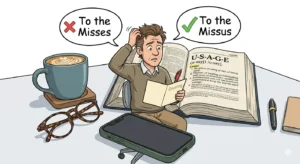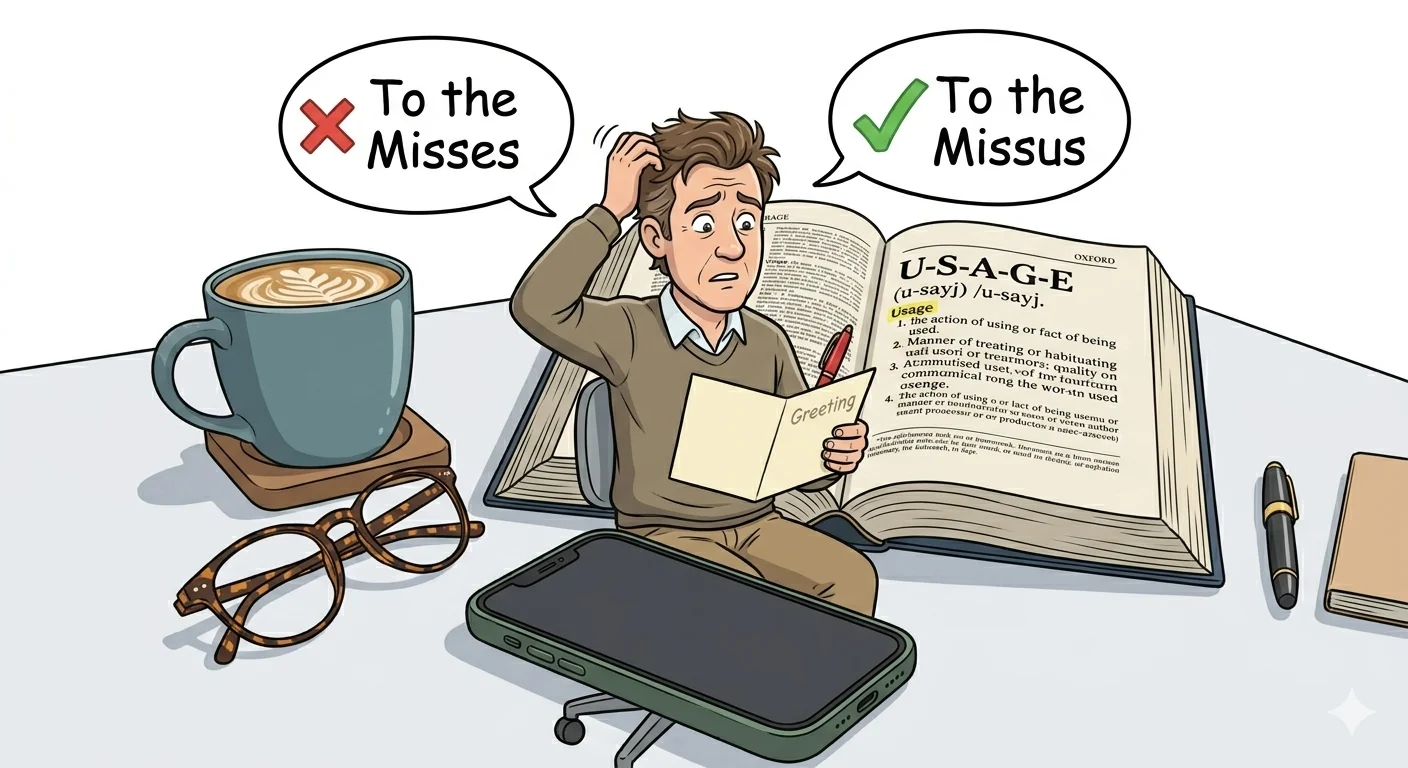
“Misses vs Missus explained: correct meanings, uses, and clear examples for everyday writing.”
Still mixing up ‘misses’ and ‘missus’? You’re not alone! Many people get confused because these words sound similar but have very different meanings and uses. “Misses” usually refers to the plural of “miss” or indicates someone missing something, while “Missus” is an informal term for a wife or female partner. Using them incorrectly can make your writing awkward or unclear.
Whether you’re writing an essay, sending a message, or learning English, this guide will help you understand both terms effortlessly. You’ll also find clear examples of each in sentences, showing exactly how to use them in everyday writing. By the end of this article, you’ll confidently know the difference between misses and missus and never mix them up again.
Misses or Missus meanings
The short answer is simple: both are correct, but they mean completely different things.
Missus (pronounced “mizz-uz”) is the informal spelling for a wife. It is how we say “Mrs.” in everyday conversation. When people talk about “the missus,” they mean their wife or partner.
Misses is the verb form of “to miss.” It means longing for someone or something.
So when you are asking yourself “how do you spell misses as in wife,” the answer is always M-I-S-S-U-S. For example:
- Correct for wife: “I am taking the missus out for dinner tonight.”
- Correct for verb: “She really misses her sister who lives abroad.”
This clears up the common question: “is it my Mrs or missus?” In informal settings, “my missus” is perfectly fine. In formal settings, use “my wife” or “Mrs. [Last Name].”

The Origin of Missus – Where Did This Word Come From?
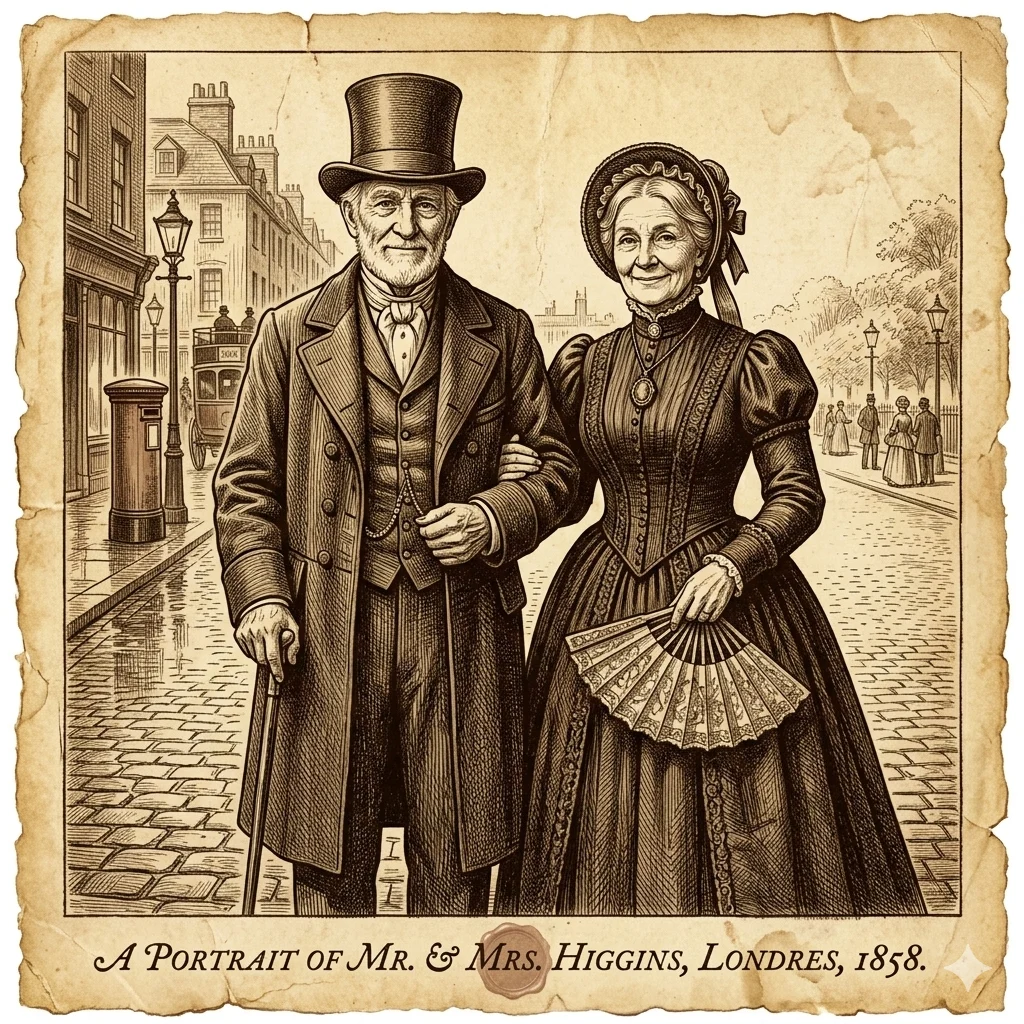
To understand “mrs misses or missus,” we need to look back in history. The word “missus” started as a shortcut. Hundreds of years ago, the proper title for a woman was “Mistress.” Over time, “Mistress” split into two words:
- Miss – for unmarried girls and women
- Mrs. – for married women
When people said “Mrs.” out loud, they pronounced it as “missus.” This is why we have the phonetic spelling “missus” in informal writing. It was simply the way common people spoke.
This history explains why “mister and misses or missus” is such a common search. Just as “Mister” became “Mr.,” “Mistress” became “Mrs.” and the spoken version became “missus.” The verb “misses” has a completely different origin and is not related to marriage at all.
British English vs American English Spelling
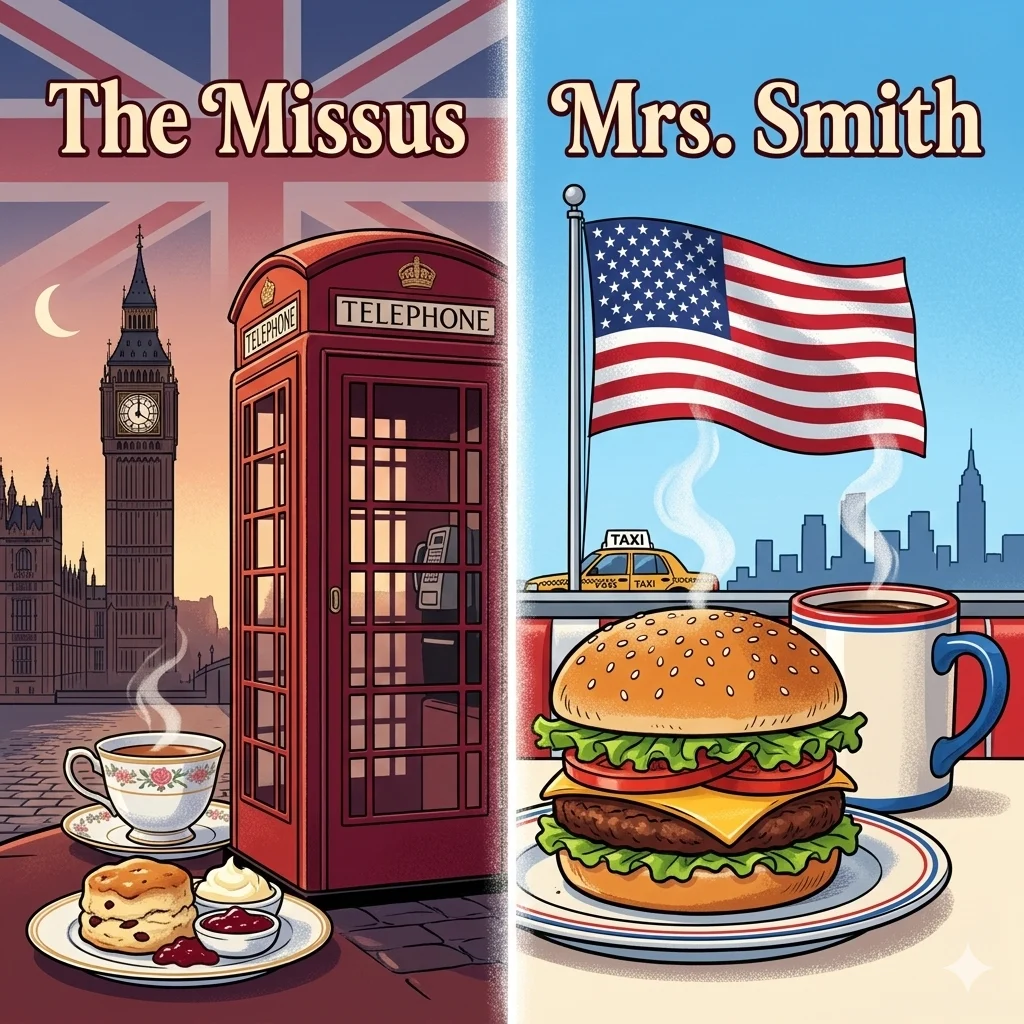
When it comes to “misses or missus,” both British and American English follow the same basic rules, but cultural usage differs.
In American English:
Americans use “Mrs.” for formal situations like wedding invitations or addressing envelopes. The word “missus” appears mostly in dialogue in books or in casual texts. Americans rarely use “missus” in formal writing. The question “can I call my wife Mrs.?” is common in the US, and the answer is yes for formal contexts, but “my wife” or “the missus” works for casual talk.
In British English:
“The missus” is extremely common. It is part of everyday working-class slang. British newspapers often quote people saying “me missus” in articles. If you ask someone in London “you and the misses or missus?” they will immediately correct you to “missus.”
In Australian and New Zealand English:
Similar to British English, “the missus” is widely used and accepted. It carries a friendly, familiar tone.
Here is a comparison table to make it crystal clear:
| Word | When To Use | Example Sentence |
|---|---|---|
| Mrs. | Formal title before a married woman’s name | “Please welcome Mrs. Jennifer Lopez to the stage.” |
| Missus | Informal reference to someone’s wife | “My missus loves watching crime dramas on Netflix.” |
| Misses | Verb meaning longs for | “He misses his hometown during the holidays.” |
| Misses | Plural of Miss (unmarried women) | “The Misses Williams are both teachers at the school.” |
Which Spelling Should You Use? – Audience-Based Advice
Choosing between “misses or missus” depends on who you are writing for. Here is simple advice based on your situation.
For US Audiences (Formal Writing):
Use Mrs. [Last Name]. This is always correct and professional. For example, addressing a wedding invitation to “Mrs. Sarah Johnson” shows respect.
For US Audiences (Informal Texts):
Use missus. When texting friends, it is fine to say “The missus and I are going to the movies.” This answers the question “can I call my wife Missus?” with a clear yes for casual situations.
For UK, Australian, and NZ Audiences:
Use missus freely. In these countries, “the missus” is standard casual language. It sounds natural and friendly. If you are writing dialogue for a character from London or Sydney, “missus” adds authenticity.
For Global Audiences or Professional Emails:
Stick with “my wife” or “Mrs. [Last Name]” to avoid confusion. This is the safest choice when you do not know the reader’s preference.
For Novelists and Creative Writers:
Use missus to show how a character speaks. Writing “I gotta check with the missus” tells the reader something about the character’s background and personality.
Remember the golden rule: If you mean your wife, spell it “missus.” If you mean longing, spell it “misses.” This answers “the correct way to spell misses or missus” once and for all.
Common Mistakes with Misses or Missus
Even native English speakers make errors with these words. Here are the most frequent mistakes and how to fix them.
Mistake 1: Using “misses” for the wife
- Wrong: “I am going out with the misses tonight.”
- Why: “Misses” is a verb. This sentence sounds like you are going out with a feeling or with multiple unmarried women.
- Right: “I am going out with the missus tonight.”
Mistake 2: Confusing “check with the misses”
- Wrong: “I need to check with the misses before booking the trip.”
- Why: Same reason – “misses” is not a person.
- Right: “I need to check with the missus before booking the trip.”
Mistake 3: Adding incorrect apostrophes
- Wrong: “The missus’s car is parked outside.” or “My missus’ phone is ringing.”
- Why: Possessive forms of slang words often sound awkward. It is better to rephrase.
- Right: “The car belonging to the missus is parked outside.”
Mistake 4: Using “missus” in formal introductions
- Wrong: “This is the missus, Sarah.”
- Why: Too informal for professional or formal settings.
- Right: “This is my wife, Sarah.” or “This is Mrs. Sarah Chen.”
Mistake 5: Spelling the verb wrong
- Wrong: “She missus her old job.”
- Why: The verb needs to be “misses” for he/she/it.
- Right: “She misses her old job.”
These examples answer common searches like “check with the misses” and “you and the misses or missus” by showing exactly why the correct spelling matters.
Misses or Missus in Everyday Examples
Seeing these words in real contexts helps lock in the correct usage. Here is how “misses or missus” appears in different situations.
In Formal Writing (Never “missus”):
- “The event was attended by the Governor and his wife, Mrs. Patricia Hart.”
- “We invite Mr. and Mrs. David Chang to the anniversary dinner.”
In Informal Emails:
- “Hey Tom, golf this Saturday? Just need to ask the missus if we have plans.”
- “Bringing the missus to the barbecue. Hope that is okay!”
In News Headlines (Especially British Media):
- “Star Player Buys Luxury Car for the Missus After Contract Signing”
- “Prince William Spends Quiet Weekend with the Missus and Kids”
In Social Media Posts and Texts:
- “Date night with the missus 🥂 #marriedlife”
- “The missus made my favorite pasta tonight. Lucky man!”
In Quotes and Sayings:
- “Happy wife, happy life. I always listen to the missus.”
- “My grandad always said, ‘Never go to bed angry with the missus.'”
These examples show “misses or missus quotes” in action and demonstrate “with the missus meaning” through real usage.
Misses or Missus – Google Trends & Usage Data
Search data reveals interesting patterns about how people look up “misses or missus.”
United States:
Most searches for “misses” are actually about clothing sizes (misses sizes) or the verb form. Searches for “missus” spike dramatically around Valentine’s Day, Mother’s Day, and wedding season when people are writing cards and messages.
United Kingdom:
“The missus” is searched year-round because it is part of everyday vocabulary. People in the UK often search for “how to spell misses as in wife” because they hear the word constantly but are unsure of the written form.
Australia and New Zealand:
Similar to the UK, “missus” is common in casual speech. Searches increase around holidays and sports events when people make plans with friends and mention their partners.
Global Trends:
Worldwide, “Mrs.” is the most searched term overall. However, when people type questions like “is it misses or missus” or “misses or missus meaning,” they are almost always looking for clarification about the informal “missus” spelling.
(FAQs)
Here are answers to the most common questions people have about “misses or missus.”
1. Can I call my wife Missus?
Yes, in informal settings you can absolutely call your wife “the missus.” It is common and affectionate. In formal situations, use “my wife” or “Mrs. [Last Name].”
2. Is it my Mrs or missus?
It depends on the sentence. “My missus” is correct in casual conversation. “My Mrs.” sounds odd because “Mrs.” is meant to be used with a name, like “My Mrs. Smith” which is still awkward. Stick with “my missus” for informal talk.
3. How do you spell Misses as in wife?
You spell it M-I-S-S-U-S. The spelling “misses” is only for the verb meaning to long for something.
4. Can I call my wife Mrs.?
Yes, but it sounds formal and old-fashioned if you call her “Mrs.” directly. Usually, we use “Mrs.” with her last name when talking to other people, not when addressing her directly.
5. What is the plural of missus?
The plural is “missuses.” For example: “All the missuses are meeting for coffee at noon.” However, this is rarely used. Most people say “the wives” instead.
6. What does “with the missus” mean?
It simply means “in the company of my wife.” For example: “I am spending the day with the missus” means “I am spending the day with my wife.”
7. What is the misses or missus meaning?
“Missus” means wife or female partner. “Misses” is the verb meaning longs for, or the plural of Miss (unmarried woman).
8. Is it spelled misses or missus?
Both are correct spellings, but they have different meanings. For a wife, spell it “missus.” For the verb, spell it “misses.”
9. What is the correct way to spell misses or missus regarding a wife?
The correct spelling for a wife is “missus.”
10. Can you give examples of misses or missus quotes?
Sure! “I love my missus more than anything.” “He misses his wife when he travels for work.” The first is “missus” (wife), the second is “misses” (verb).
Conclusion
The confusion between “misses or missus” is completely understandable because the words sound identical. But now you have the tools to get it right every time. Remember the simple rule: if you are talking about your wife, your partner, or someone else’s spouse in an informal way, the word you need is missus. It is the phonetic spelling of “Mrs.” and has been used in casual English for centuries. If you are talking about longing for someone or something, or referring to multiple unmarried women, the correct spelling is misses.
When writing formally, always use “Mrs.” followed by the woman’s last name. This is the safest choice for invitations, professional emails, and official documents. In texts, social media, and casual conversations, “the missus” is widely accepted and even endearing. The next time you send a card to your spouse, text a friend about weekend plans, or write a story with authentic dialogue, you can do so with complete confidence. No more second-guessing, no more typos. Your writing will be accurate, clear, and respectful. And if anyone ever asks you “is it misses or missus,” you can explain it to them with authority.

Chuck Winkman is a master of wordplay and timing — the kind of writer who can make even grammar funny. His humor dances between clever and ridiculous, and his jokes always hit with a mix of intellect and silliness. Chuck’s goal? To make the world laugh one pun at a time. If sarcasm had a superhero, it would definitely wear a cape named Chuck Winkman.