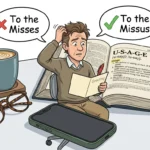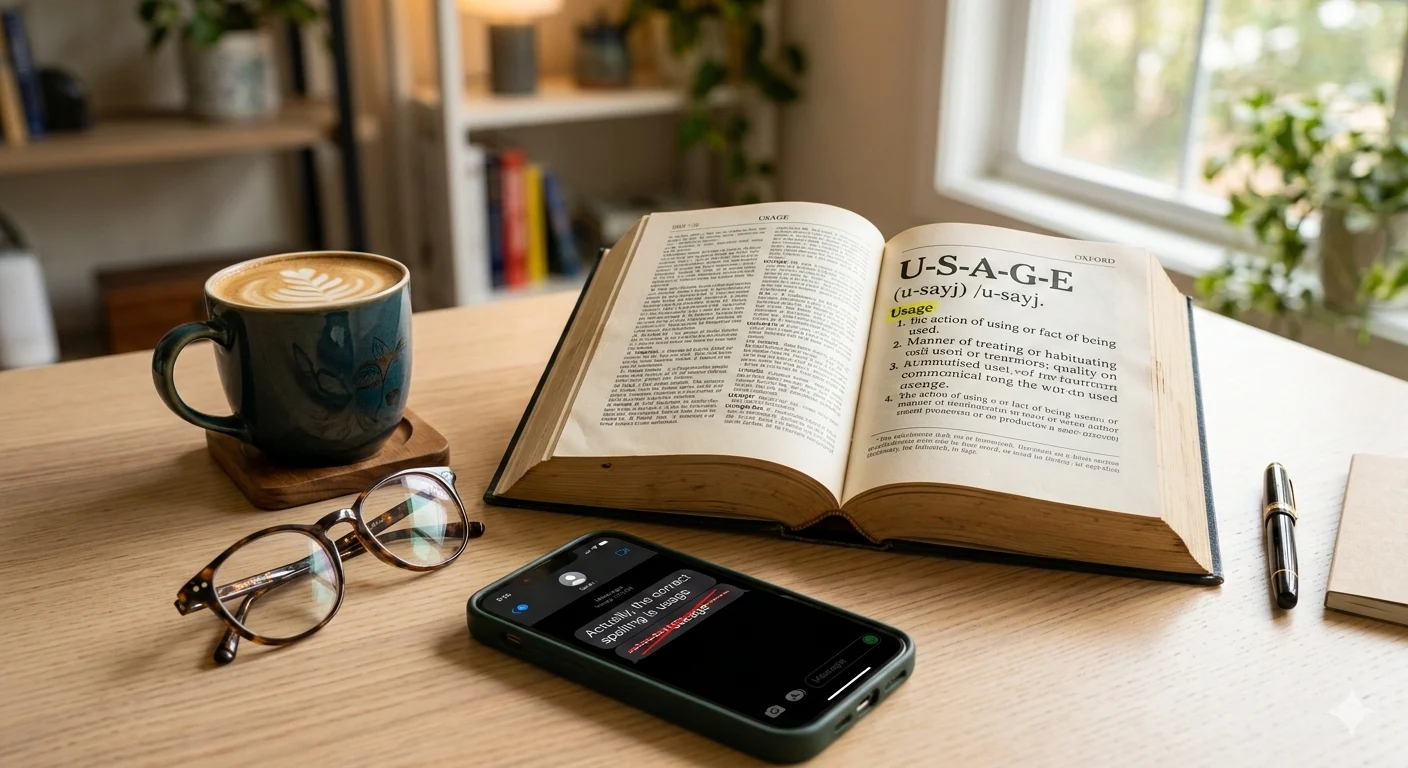
“Usage is the correct spelling in English; useage is a common misspelling.”
Ever typed “useage” and paused, wondering if it’s right? Don’t worry, you’re not alone! The correct spelling is “usage”, meaning the way something is used or the manner of use. “Useage” is incorrect and should always be avoided in formal writing.
Whether you’re a student, writer, blogger, or professional, this guide will help you get it right every time. You’ll find simple explanations, clear examples in sentences, and a quick tip to never confuse “usage” with “useage” again, so your writing is always accurate, professional, and confident 😎.
By the end, you’ll know exactly how to use “usage” correctly — no confusion, no mistakes, just perfect spelling every time.
Useage or Usage meanings
Let’s get straight to the point. The correct spelling is “usage.” The word “useage” is a common misspelling and is not recognized as a standard word in the English language. If you type “useage,” any spell-checker will mark it as an error. Whether you write “useage” in an email, a report, or a text message, it will always be incorrect. So the answer to is it useage or usage is simple: always choose usage.
Think of the word “usage” as the noun that describes the act of using something, or the way something is used. A simple way to remember the correct spelling is to focus on the root word “us” and then add “-age.” Never add “-age” to “use” because that creates the nonexistent word “useage.” For example:
- The data usage on my phone is very high this month. (Not data “useage”)
- Correct word usage is important in professional writing. (Not word “useage”)
- The manual explains the usage of all the buttons on the remote control. (Not “useage” of all the buttons)
If you are ever in doubt, remember that “use” + “age” does not make “useage.” The ‘e’ from “use” is dropped to form the correct noun, usage. This quick answer solves the primary question of is it useage or usage for good. When looking for useage or usage examples, always choose the ones with correct usage spelling.
The Origin of Usage
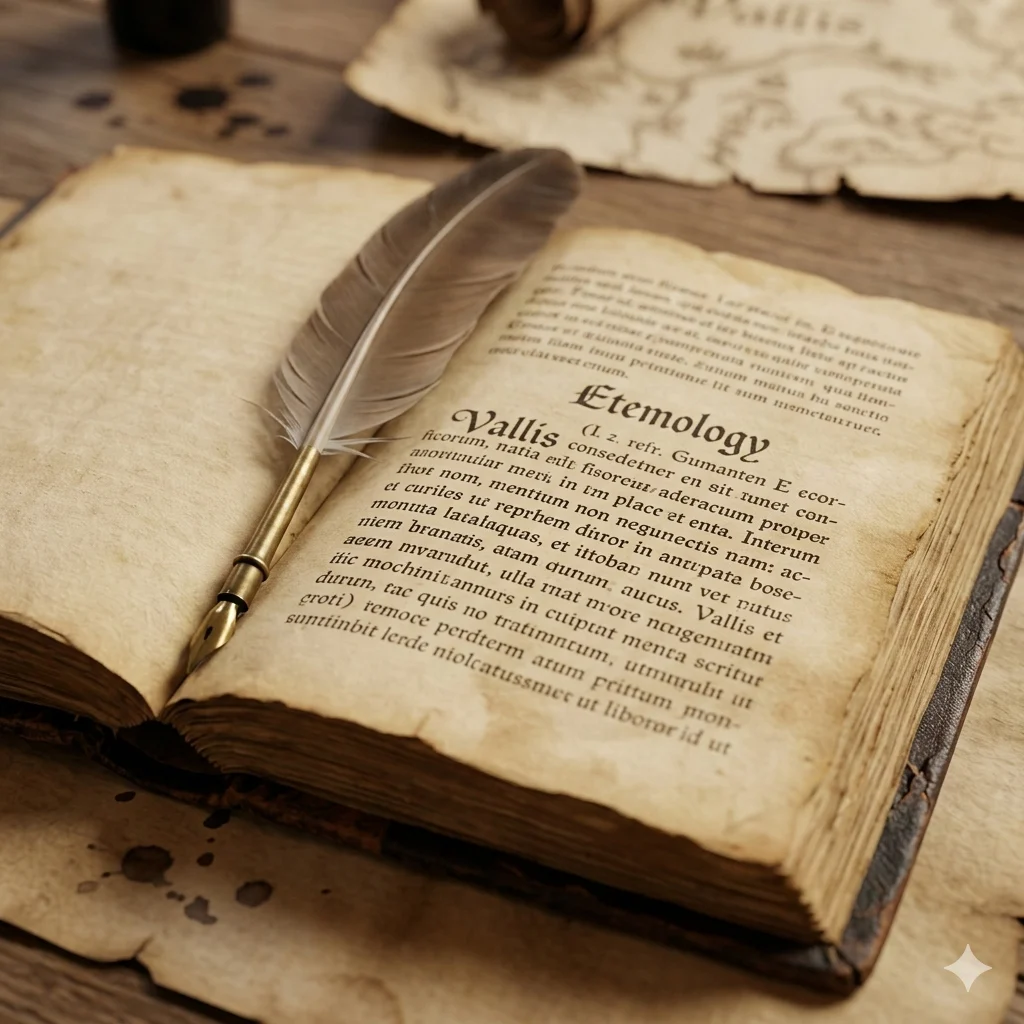
To understand why “usage” is correct, it helps to look at where the word comes from. The word “usage” entered the English language centuries ago. It comes from Old French, combining the word “us” (meaning “a using”) with the suffix “-age.” The suffix “-age” is used to form nouns that indicate a process, a result, or a collection. For example, “marry” becomes “marriage,” and “post” becomes “postage.”
So, etymologically, “usage” has always been spelled with a single ‘e’ from its root “us,” and then the suffix. The misspelling “useage” likely happens because people see the base verb “use” and try to simply add “-age” to it. While this logic works for some words (like “leak” becoming “leakage”), it does not apply here. English is full of these little exceptions, and “usage” is one of them. The history of the word firmly supports the usage spelling we use today. Understanding the origin helps clarify what is meant by usage in a historical sense. This background also explains why useage or usage grammar rules always point to usage as the correct form.
British English vs American English Spelling
A common question is whether the spelling of this word changes depending on where you are. The good news is that usage spelling is consistent across both British and American English. Unlike words like “colour” (UK) and “color” (US), or “theatre” (UK) and “theater” (US), “usage” remains the same.
Whether you are in London, New York, Sydney, or Toronto, the correct spelling is always “usage.” The misspelling “useage” is not a regional variant; it is simply a mistake everywhere. However, the context in which you use the word might differ slightly. In British English, you might hear more about “language usage” in a linguistic context, while in American English, “energy usage” might be a more common topic in everyday news. But the spelling remains unchanged. So, whether you are looking for usage spelling uk or US standards, the answer is identical. For those searching useage or usage uk, the answer is the same: usage is correct in the UK too. Understanding usage in English across regions helps with what is correct word usage globally.

Here is a simple table to show the consistency:
| Variation | Spelling | Correct? | Region |
|---|---|---|---|
| Usage | Usage | Yes | US, UK, Canada, Australia, etc. |
| Useage | Useage | No | Not a standard word in any region |
| Usage (UK context) | Usage | Yes | United Kingdom |
| Usage (US context) | Usage | Yes | United States |
Which Spelling Should You Use?
The answer here is straightforward: you should always use usage.
- For a US Audience: Use “usage.” American English is very direct and prefers this standard spelling. This follows what is correct word usage in America.
- For a UK or Commonwealth Audience: Use “usage.” Countries like the UK, Australia, and New Zealand follow the same rule. Searches for useage or usage uk will always point to “usage.” Usage spelling uk is identical to US spelling.
- For a Global Audience: Definitely use “usage.” Since it is the universally accepted form, it will be understood by every English speaker, whether they are native or non-native.
Think of it this way: useage or usage is not a matter of preference; it is a matter of right and wrong. Choosing “usage” shows that you have a good command of the language and pay attention to detail. When in doubt, stick with the standard usage in English. This decision covers what is correct word usage in any context. Remember, “useage” is never the right choice, no matter where you are writing from. This advice applies to all useage or usage examples you might encounter.
Common Mistakes with Usage
Even though the spelling is simple, people often make mistakes with the word “usage” itself. Here are the most frequent errors and how to correct them. These useage or usage grammar issues are easily fixed once you know the rules.
- The “Useage” Misspelling: This is the big one. People write “useage” because they think the ‘e’ from “use” should carry over. It should not. “Useage” is always wrong.
- ❌ Incorrect: The phone’s data useage is too high.
- ✅ Correct: The phone’s data usage is too high.
- ❌ Incorrect: I need to check my internet useage.
- ✅ Correct: I need to check my internet usage.
- ❌ Incorrect: What is the correct useage of this tool?
- ✅ Correct: What is the correct usage of this tool?
- Confusing “Use” and “Usage”: This is another common issue. While related, they are not always interchangeable. “Use” can be a verb (to do something with an object) or a noun (the act of using). “Usage” is always a noun and often implies a customary or ongoing practice, especially concerning language or resources. Finding a usage synonym like “employment” or “utilization” can sometimes help clarify. But remember, “useage” is never the answer.
- ❌ Awkward: The usage of a spoon is simple. (This sounds too formal).
- ✅ Better: The use of a spoon is simple.
- ✅ Correct: The word’s usage has changed over time. (Here, “usage” is perfect because it refers to the customary way a word is used).
- Overusing “Usage”: Sometimes, people use “usage” when the simpler word “use” would work better. “Use” is more common and often sounds more natural. This is a key point in understanding useage or usage examples. But never replace “usage” with “useage.”
- ❌ Overly Formal: The manual explains the usage of the pencil sharpener.
- ✅ Natural: The manual explains how to use the pencil sharpener.
- Wrong Context for “Usage”: Another mistake is using “usage” when talking about a single, simple action.
- ❌ Incorrect: His usage of the door was loud.
- ✅ Correct: His use of the door was loud.
- ✅ Correct: The doctor checked my data usage on the heart monitor.
Usage in Everyday Examples
Seeing a word in action is the best way to understand it. Here are examples of how “usage” fits into different types of writing and conversation. These usage examples cover a wide range of scenarios and show correct usage spelling in action.
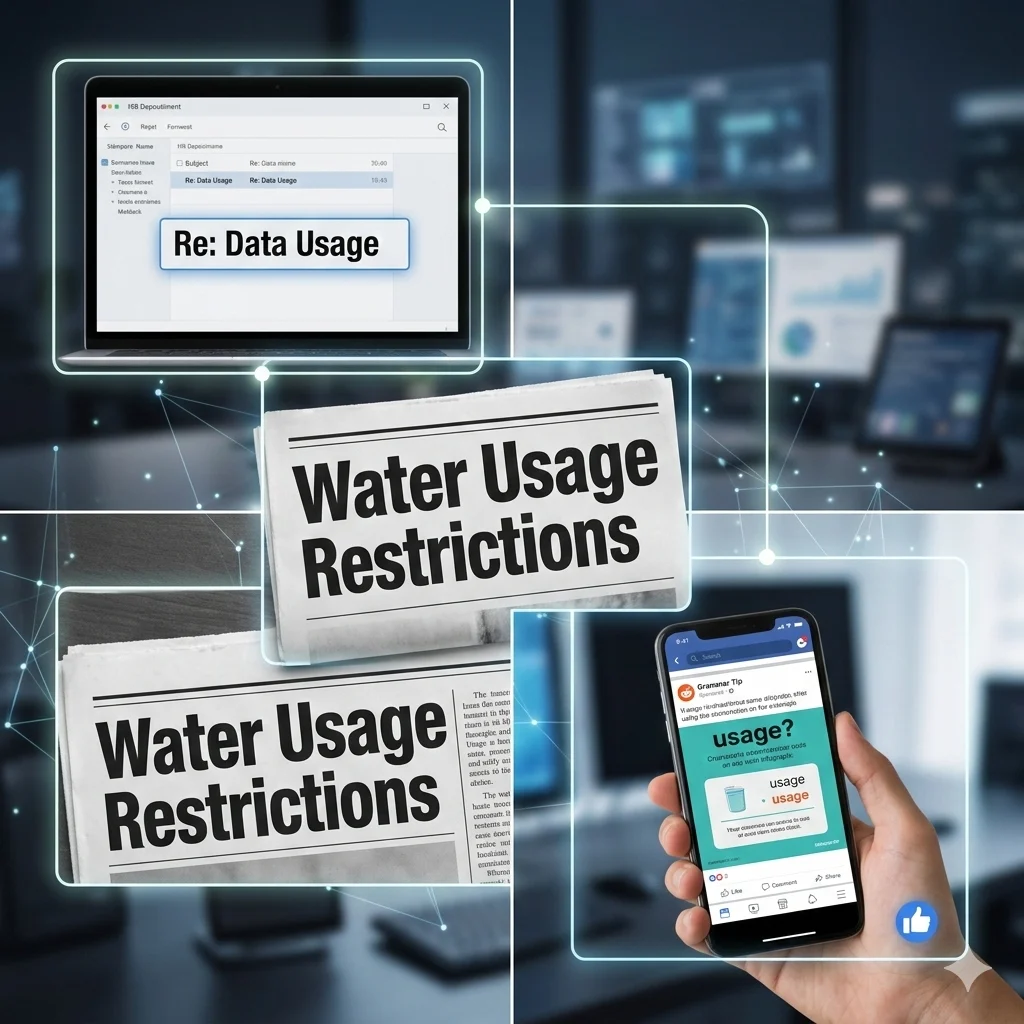
- In Emails:
- “I’ve noticed our team’s data usage has increased since we started working from home. Can we review this in our next meeting?”
- “Thank you for your query regarding the usage of the new software.”
- “Please monitor your bandwidth usage during peak hours.”
- In News Headlines:
- “Water usage restrictions go into effect next Monday due to the ongoing drought.”
- “Social media usage among teenagers is a growing concern for parents.”
- “Electricity usage hits record high during heatwave.”
- On Social Media:
- “Is it just me, or has my phone battery been draining faster with heavy usage lately?”
- “Here’s a quick tip on the correct usage of ‘your’ and ‘you’re’!”
- “My data usage this month is incomprehensible! Need to upgrade my plan.”
- In Formal Writing (Essays/Reports):
- “The study analyzes the usage of metaphor in Shakespeare’s later works.”
- “High energy usage in the manufacturing sector contributes significantly to operational costs.”
- “Proper word usage distinguishes professional writing from casual communication.”
- In Technical Manuals:
- “For optimal usage, keep the device at room temperature.”
- “The usage instructions are printed on the inside cover.”
- “Daily usage should not exceed eight hours.”
These useage or usage examples all demonstrate the correct form. Notice how “useage” never appears because it is always wrong. The usage meaning in each sentence is clear: it refers to the amount, pattern, or manner of using something.
Usage – Google Trends & Usage Data
While “usage” is the only correct spelling, looking at search data reveals just how common the “useage” mistake is. People all over the world type “useage or usage” into search engines because they are uncertain. Data from tools like Google Trends would show that the search for the correct term “usage” is consistently high globally, which makes sense since it is the correct word used in millions of articles and documents every day.
The query “useage” might spike in certain regions or at certain times, but it is always from people seeking confirmation. The data confirms that this is a universal point of confusion for English learners and even some native speakers. In professional contexts, the meaning of usage is well-understood, and the spelling is non-negotiable. Whether it is usage in English class or in a technical manual, the expectation is the same: correct spelling and appropriate use. The data shows that understanding what is meant by usage is a fundamental part of mastering the language. This also explains why searches for usage meaning and usage synonym remain consistently popular.
Interestingly, searches for usage spelling uk are just as common as searches for US spelling, proving that this confusion knows no borders. People everywhere want to know is it useage or usage. The data also shows that mobile users often type “useage” due to autocorrect errors or fat-finger mistakes. But the correct answer remains the same everywhere: usage.
Frequently Asked Questions
Here are some common questions people have about “useage or usage.”
1. Is “useage” a word in the dictionary?
No, “useage” is not a word. If you look it up in any standard dictionary, you will not find it. It is a common spelling error. So when people ask which is correct, usage or useage, the dictionary always says usage.
2. Which is correct, usage or useage?
“Usage” is the only correct spelling. This applies to all forms of English, including UK and US English. The answer to is it useage or usage is always usage.
3. What is meant by usage?
“Usage” generally means the action of using something or the way in which something is used. It often refers to a habitual or customary practice, especially regarding how words are used in a language. Understanding usage meaning helps you apply it correctly.
4. What is the difference between “use” and “usage”?
“Use” can be a verb (“I use a pen”) or a noun (“The use of a pen is simple”). “Usage” is only a noun and typically refers to a longer-term, established pattern, like “language usage” or “energy usage.” This is a key point in useage or usage grammar.
5. Can you give me some usage examples?
- “The report shows our water usage has dropped by 10%.”
- “Correct grammar usage makes your writing clearer.”
- “Rough usage will wear out your shoes faster.”
- “The usage of slang varies by generation.”
These useage or usage examples all show the correct form.
6. Is there a usage synonym?
Yes, depending on the context. Synonyms include “use,” “employment,” “operation,” “practice,” “habit,” or “custom.” Finding the right usage synonym depends on what you want to say.
7. How do you spell usage in the UK (usage spelling uk)?
The spelling is the same in the UK as it is everywhere else: U-S-A-G-E. Searches for “useage or usage uk” always yield the same answer: “usage” is correct. Usage spelling uk is identical to US spelling.
8. What is its usage meaning in a sentence?
This question itself is a great example! Here, it asks for the definition or application of the word. The answer would be the definition of “usage,” as explained above. So what is its usage meaning? It means how the word is applied.
9. Why do people type “useage” instead of “usage”?
People type “useage” because of a logical error. The base verb is “use,” so when forming a noun, many people assume they should just add “-age” to the end, creating “useage.” However, English has exceptions, and “usage” is one of them. The correct formation drops the ‘e’. So remember: “use” + “age” = “useage” ❌, but “us” + “age” = “usage” ✅. This explains why is it useage or usage confuses so many.
10. Will spell-check always catch “useage”?
Yes, almost all modern spell-checkers, whether in Microsoft Word, Google Docs, or your web browser, will flag “useage” as an error. They will usually suggest “usage” as the correction. So if you see that red line under “useage,” you know exactly what to do. It is another way to know which is correct, usage or useage.
11. Can “usage” be plural?
Yes, in very specific contexts, “usages” can be used to refer to different customary practices or different meanings of a word. For example: “The dictionary lists several usages of this term.” But in most cases, the singular “usage” works fine.
12. Is “usage” only for language?
No, usage applies to many things. You have data usage on your phone, water usage in your home, and energy usage in your city. So usage meaning extends beyond just words. These useage or usage examples show the wide application.
Conclusion
Mastering the difference between useage or usage is a small but significant step in your writing journey. We have established that usage is the sole correct spelling, a fact supported by the word’s long history and its consistent use in every major English-speaking country. The key takeaway is simple: avoid the common pitfall of “useage” by remembering that the correct noun drops the ‘e’ from “use.” Whether you are writing in America, the UK, or anywhere else, usage spelling remains the same. So for those wondering usage spelling uk or US, the answer is identical.
We also explored the subtle but important distinction between “use” and “usage.” While “use” is a versatile word for the act of employing something, “usage” often implies a broader, more customary application, especially in language and consumption. By understanding this, you can make more precise and professional word choices. Understanding usage meaning helps you apply the word correctly in all contexts. Whether you are writing a quick email, a formal report, or a social media post, you can now do so with confidence.
Keep practicing, pay attention to how the word is used in your reading, and soon, the correct usage in English will become second nature. Remember, the answer to what is correct word usage always points back to clarity and accuracy. And the next time someone asks you is it useage or usage, you can confidently say: it is always usage. These useage or usage examples throughout this article have shown you the way. Now go forth and write with confidence, knowing that you have mastered one of English’s most common spelling challenges.

Lola Giggles lives up to her name — laughter practically follows her everywhere. She’s all about finding joy in the smallest things and turning them into big laughs. Her writing sparkles with positivity, chaos, and charm, making her readers giggle like it’s a full-time job. Lola believes that one good laugh a day keeps reality away — and she’s here to deliver yours.