Puns are clever wordplays that exploit multiple meanings or similar sounds to create humor. They make jokes fun, social media captions witty, and everyday conversations more playful
Ever laughed at a joke and thought, “Wow, that’s clever!”? Chances are, it was a pun. But what exactly are puns? In simple terms, puns are humorous plays on words that exploit double meanings or similar sounds. They make ordinary phrases extraordinary and bring joy in unexpected ways.
In this article, we’ll explore what are puns, why they’re funny, and give you a treasure trove of funny jokes about everyday life. From clever wordplay for social media captions to groan-worthy dad jokes, we’ve got it all. Whether you want best puns for occasions or just a daily laugh, this guide has you covered.
What Are Puns and Why Are They Funny?
Puns aren’t just silly jokes—they’re a unique form of humor that tickles the brain. Here’s why they’re so effective:
- Mental Exercise: Puns make you think about words differently, stimulating your brain.
- Versatile Humor: Simple or sophisticated, puns appeal to people of all ages.
- Conversation Starters: A good pun can turn awkward silences into laughter.
- Social Media Magic: They make captions and posts instantly shareable.
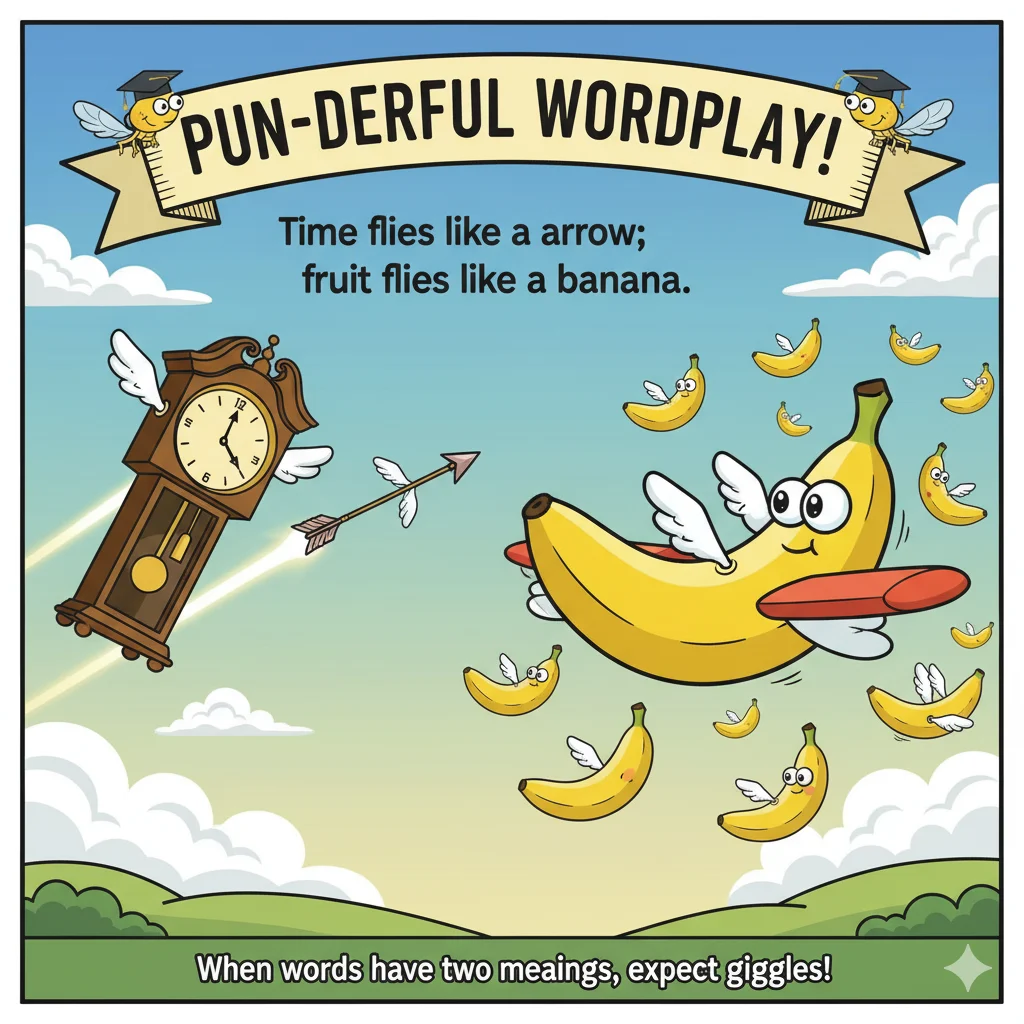
Fun Fact: Groucho Marx famously said, “Time flies like an arrow; fruit flies like a banana.” This classic pun remains funny decades later!
Top 10 [What Are Puns] Examples You’ll Love
Here are ten hilarious puns with explanations so you can see the clever wordplay:
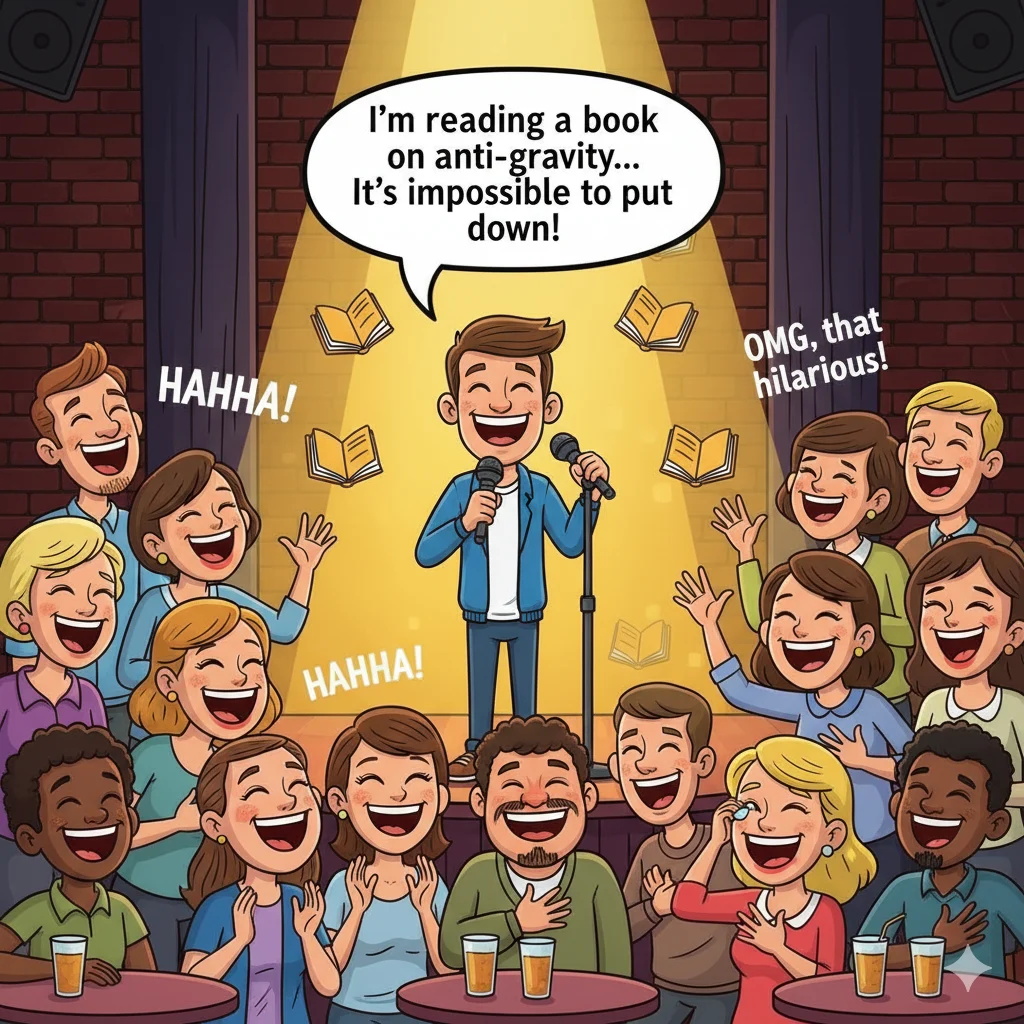
- I’m reading a book on anti-gravity. It’s impossible to put down!
Play on words: “Impossible to put down” – literally and figuratively. - Did you hear about the guy whose whole left side was cut off? He’s all right now.
Clever twist on “all right” – recovery and right side. - I used to be a baker, but I couldn’t make enough dough.
“Dough” refers to both money and bread mixture. - Why did the scarecrow win an award? He was outstanding in his field.
Literal and figurative meaning of “outstanding.” - I wanted to be a professional skateboarder, but I didn’t have the board sense.
“Board sense” as skill and common sense combined.
- The math teacher called me average. How mean!
“Mean” refers to both cruelty and mathematical average. - I used to hate facial hair… but then it grew on me.
Double meaning: literal growth and metaphorical acceptance. - I’m friends with all electricians. We have good current connections.
“Current” = electricity + friendship energy. - I stayed up all night to see where the sun went. Then it dawned on me.
“Dawned” = sunrise + realization. - Why don’t skeletons fight each other? They don’t have the guts.
Literal and figurative meaning of “guts.”
Types of [What Are Puns] You Should Know
Not all puns are created equal. Understanding the types helps you appreciate them more:
Homophonic Puns
- Use similar-sounding words:
- Example: “I used to be a banker, but I lost interest.”
Homographic Puns
- Same spelling, different meaning:
- Example: “Time flies like an arrow; fruit flies like a banana.”
Compound Puns
- Multiple puns in one:
- Example: “Santa’s helpers are subordinate clauses.”
Recursive Puns
- Self-referential or language-based:
- Example: “Energizer Bunny arrested – charged with battery.”
Best [What Are Puns] for Every Occasion
Puns are perfect for birthdays, holidays, and social media captions:
- Birthday: “Have an egg-cellent birthday!”
- Christmas: “Yule be sorry if you don’t smile!”
- Valentine’s Day: “You make my heart skip a beet.”
- Halloween: “Witch better have my candy!”
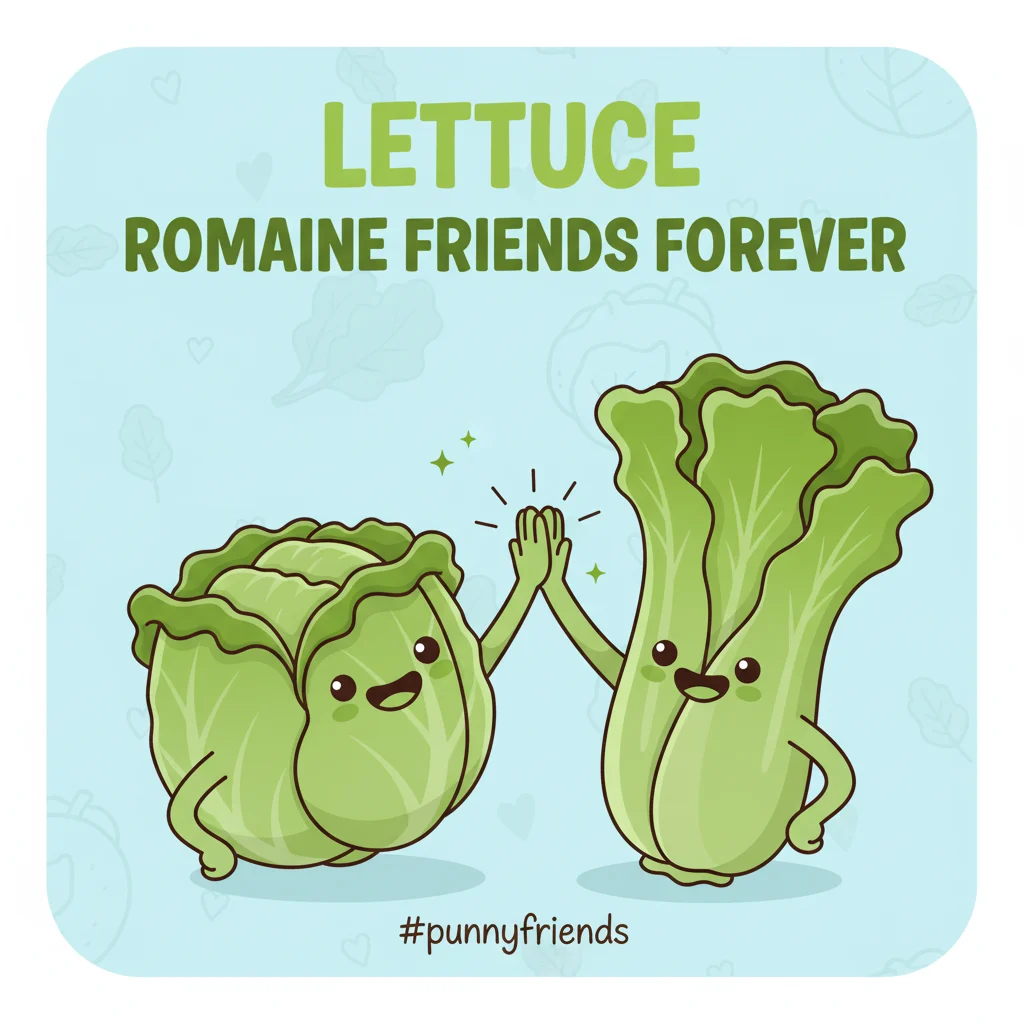
- Social Media: “Lettuce romaine friends forever.”
Pro Tip: Match the pun to your audience. Family-friendly puns for social media, clever twists for professional networking.
Why [What Are Puns] Work: The Psychology of Wordplay
Humor experts say puns are effective because they create a small surprise in the brain. Decoding the wordplay releases dopamine, which makes you laugh.
- Cognitive Challenge: Understanding puns stimulates mental agility.
- Emotional Bonding: Shared laughter strengthens connections.
- Memorable: Puns are easier to remember than plain facts.
A study in Humor Research Journal found people are more likely to remember messages containing puns.
Tips to Create Your Own [What Are Puns]
Want to make people laugh with your own wordplay? Try these tips:
- Look for Double Meanings: Words with multiple definitions are gold.
- Use Rhymes & Homophones: Similar sounds create instant humor.
- Think Visually: Imagine the literal meaning of phrases.
- Keep It Short: Short, snappy puns are more memorable.
- Know Your Audience: Some love groan-worthy puns, others clever ones.
Conclusion
Puns are more than jokes—they’re a creative celebration of language. From funny jokes about everyday life to clever wordplay for social media, they make conversations fun, memorable, and shareable. Now that you know what are puns, it’s time to try your own! Experiment, laugh, and spread the pun joy.
Call-to-Action: Share your favorite pun in the comments or tag a friend who could use a laugh!
FAQ
Q1: What are puns?
A: Puns are wordplays that exploit double meanings or similar-sounding words for humor.
Q2: Why do puns make people laugh?
A: Puns surprise the brain with multiple meanings, releasing dopamine and laughter.
Q3: Can puns be used in social media captions?
A: Absolutely! Short, clever puns are perfect for captions, memes, and engagement.
Q4: Are all puns family-friendly?
A: No, some are clean while others may be adult-oriented. Always consider your audience.
Q5: How can I make my own puns?
A: Look for double meanings, rhymes, and homophones. Keep them short and fun.

Chuck Winkman is a master of wordplay and timing — the kind of writer who can make even grammar funny. His humor dances between clever and ridiculous, and his jokes always hit with a mix of intellect and silliness. Chuck’s goal? To make the world laugh one pun at a time. If sarcasm had a superhero, it would definitely wear a cape named Chuck Winkman.